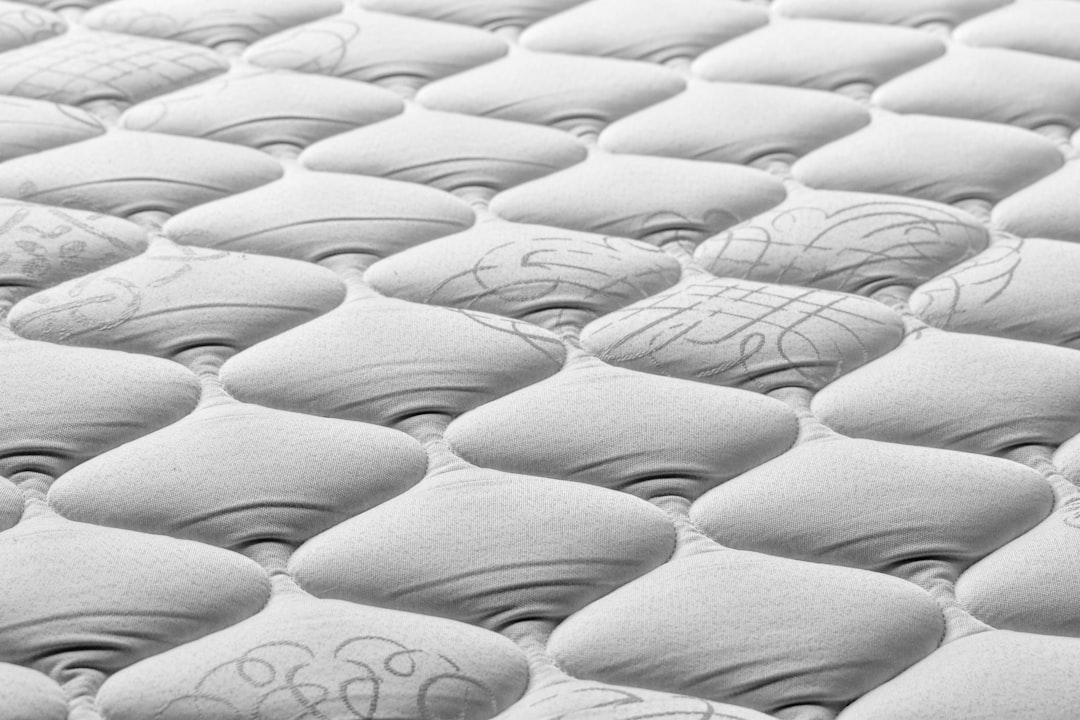
That first humid season in your new 4-room BTO flat is a silent trial for your mattress. You’ll notice the air gets thick, the windows stay closed more often, and the persistent 80%+ humidity doesn't just linger on the walls—it works its way into the core of your bed. For an orthopaedic mattress, engineered with high-density foam layers for structured support, this is the critical period where premature softening can begin. The firmness you paid for, the one recommended for your back, starts a subtle surrender.
The test isn’t dramatic. It’s a gradual shift you feel upon waking, a new ache in a shoulder or hip that wasn’t there before. The key is to check for fresh pressure points in that master bedroom, especially if you’re a stomach sleeper or someone with existing joint concerns. Lie down in your usual position and pay attention. Does the support feel uniform, or has a distinct dip formed under your heaviest part? That’s the humidity doing its slow work on the foam’s integrity.
A permanent body impression deeper than 3cm is your clear red flag. Use a ruler or a tape measure—this one needs a concrete number. If the depression exceeds that, the core stability has likely been compromised. The mattress isn’t just conforming; it’s failing to rebound, which means its orthopaedic purpose is already diminished. That’s a problem for chronic pain management, and it often shows up right around the first anniversary of your purchase.
There’s a single exception, though. A hybrid construction with firm pocketed springs topped with a thinner foam layer might hold up better in the dampness—the springs provide a resilient base the humidity can’t soften. But for a pure foam orthopaedic design, that year-one humid season is the real proving ground. If it passes, you’ve got a bed that’s built for our climate. If it doesn’t, you’ll know early, before your back pays the price.
That central dip isn’t subtle—it’s a hammock. You’ll notice it most when you’re lying flat on your stomach, or if you’re over eighty kilograms, because your lower back starts complaining before your brain does. It’s the pocketed springs giving up, their individual coils losing the fight against constant pressure. They’re engineered to provide structured support, but after five years or so, that recoil just fades. The mattress surface, which should be flat and firm, develops a gentle valley right where your torso rests.
A straightedge test is brutally honest. Lay a ruler or a broomstick across the width of the bed. If there’s a visible gap under the centre, that’s sag, not just normal softening. That gap means the orthopaedic properties are compromised; the spine alignment it was designed for is gone. For someone recovering from an injury or dealing with chronic pain, this isn’t a minor comfort issue—it’s a setback. The mattress can no longer do its job.
Some will say rotating the mattress helps, but with a true sag, rotation just moves the problem to another spot. The springs in that zone are fatigued. It’s a material reality, not a maintenance oversight. In our humidity, the foam layers might also soften, but the spring collapse is the primary culprit here. You can’t fix it with a new topper or by sleeping on the edges. The core support has failed.
The one exception? If the dip is very slight and you’re a lightweight side sleeper, you might get a few more months out of it. But for the stomach sleepers and heavier residents this guide speaks to, that sag is a clear signal. It’s time to stop compromising your back for the sake of avoiding a replacement. When the straightedge tells you there’s a gap, your body’s already telling you the same thing. Listen to it.
A mattress edge that's given up its structure doesn't just sag—it actively undermines your ability to get up safely. For someone with arthritis, that morning push-off from the side of the bed becomes a painful, unstable ordeal where the weakened foam or springs simply collapse under your hand and knee. You'll find yourself needing to shuffle further towards the centre just to find a firm enough spot to leverage your weight, a manoeuvre that strains already tender joints. This isn't about minor comfort; it's about a critical failure in the support system you rely on for daily independence. In a typical 12 sqm HDB bedroom, where a Queen mattress already occupies most of the floor space, that compromised perimeter effectively shrinks your usable sleeping and sitting area.
The sensation is distinct: you sit on the edge and feel a distinct, unsettling tilt as if you're about to slide off the side of the bed. This 'roll-off' feeling isn't just psychological—it's a physical indicator that the mattress's border reinforcement has degraded beyond its functional limit. High-density foam edges or reinforced spring coils are designed to create a stable seating platform, but years of nightly pressure, especially from sitting to read or watch television, wear them down. For an elderly resident, this instability translates directly into anxiety and a heightened risk of a fall. Testing for it is straightforward: sit firmly on the very edge of your Queen mattress and assess whether you feel secure or if the structure seems to want to eject you.
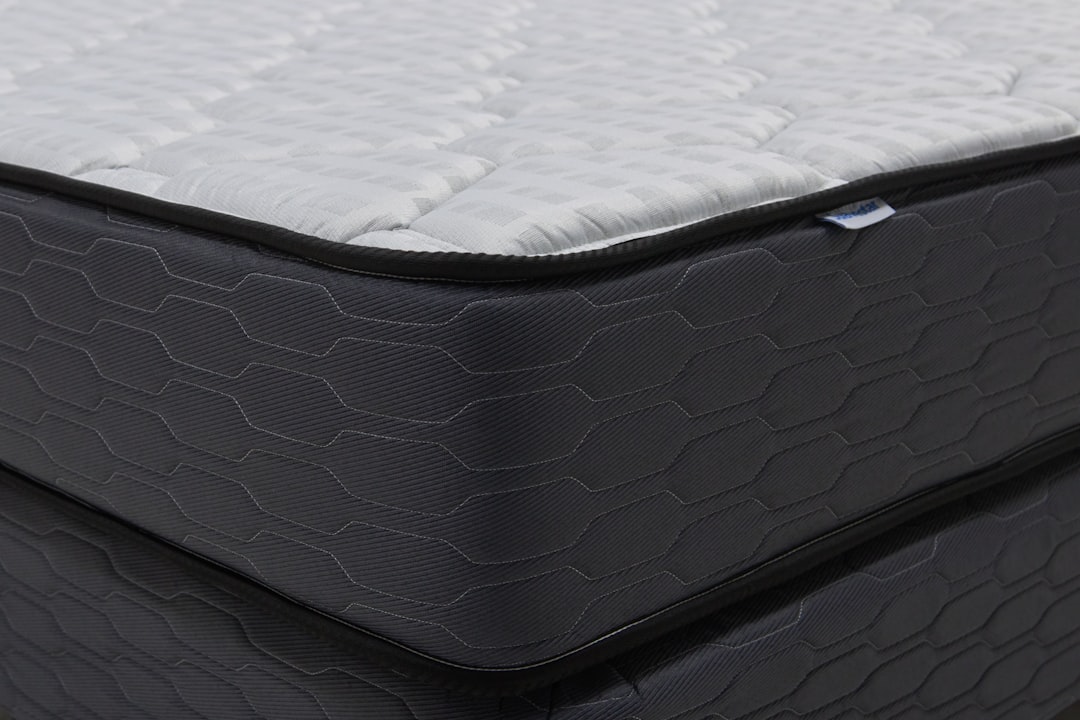
You don't need special tools to spot this failure. Simply look at the mattress from the side; a healthy orthopaedic mattress should maintain a consistent, flat profile from centre to edge. When edge support degrades, you'll often see a visible dip or compression along the perimeter, sometimes accompanied by a permanent crease or fold in the fabric cover. This visual sag is a clear metric that the materials inside have lost their resilience and are no longer providing the structured support your spine and joints require. In the context of an orthopaedic mattress, this visible wear contradicts its entire purpose—a firm, uniform surface is essential for pain relief.
The moment of transferring from lying down to sitting upright, and then to standing, places immense concentrated pressure on the mattress edge. With weakened support, your body has to compensate, engaging muscles and joints in awkward ways to achieve stability. Arthritic knees and hips bear the brunt of this compensatory motion, leading to sharp pain during what should be a routine daily activity. A mattress that holds its edge allows for a smooth, controlled transition where you can use your arms to push off from a solid platform. Without it, the entire process becomes a hazardous, painful struggle that can start your day with an injury.
Edge support isn't a secondary feature; it's a core component of an orthopaedic mattress's integrity. The engineering that provides firm, even support for your lower back and spine must extend all the way to the borders. When that perimeter fails, the mattress's therapeutic promise is broken, no matter how firm the centre still feels. For ageing residents, this integrity is non-negotiable—it's the foundation of safe, independent living in their own home. Checking it should be part of your regular mattress maintenance, especially after several years of use in our humid climate which can accelerate material fatigue.
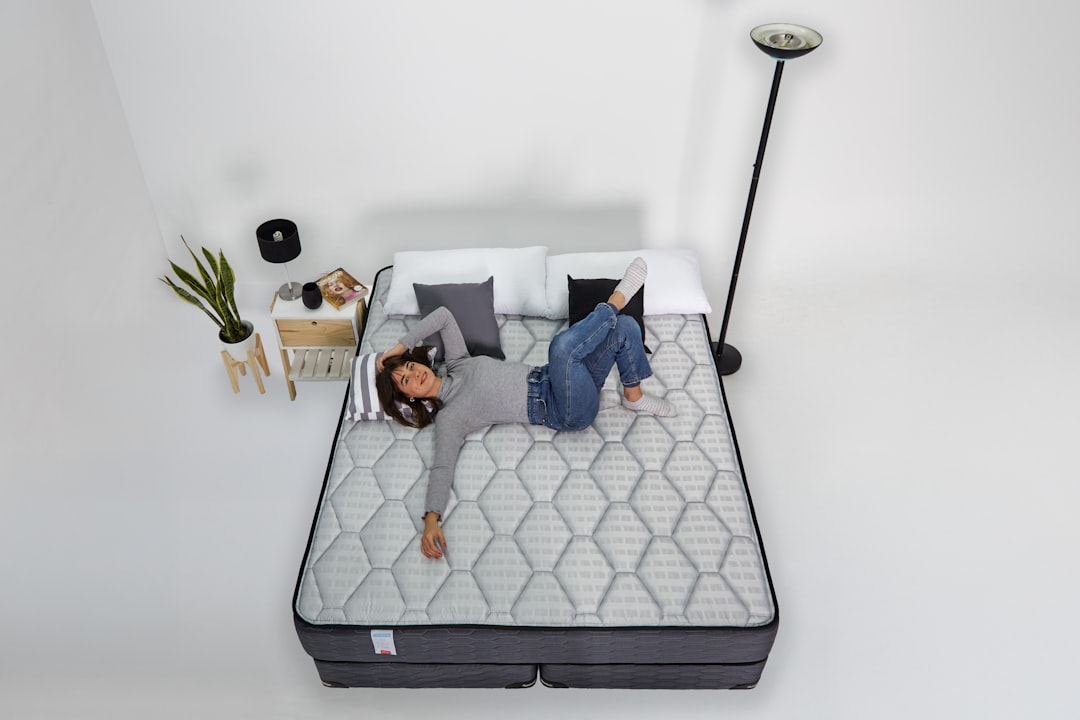
That midnight creak, the distinct ping when you shift your weight—it’s a sound that cuts through the quiet of a multi-generational flat and tells you the mattress’s internal structure is starting to complain. For anyone who needs a firm, undisturbed surface for their back, these noises aren’t just annoying; they’re a signal that the support you’re paying for is degrading. The springs or high-density foam layers are fatiguing, and what was once a silent, stable foundation is now announcing its wear with every movement. Light sleepers, or those sharing a room with a partner, will find this stage particularly disruptive—the peace you bought the mattress for is gone.
There’s a practical verdict here. Once these sounds become regular, the mattress’s core function—providing firm, consistent support for spine alignment—is compromised. You can’t trust a structure that’s telegraphing its fatigue every night. The exception is if the noise is isolated and truly minor, a single spring that only protests when you sit on a very specific edge. But for the majority of cases, where creaks and pings accompany normal rolling over, it’s a sign the internal engineering is past its best. For back-pain sufferers or elderly sleepers, that loss of silent, reliable firmness means the mattress isn’t doing its job anymore.
Locating the source isn’t about frantic bouncing. You’ll want to methodically shift your weight across the surface, listening carefully. Start at one corner and slowly roll or press down section by section, paying attention to where the sound originates. Often, it’s a single cluster of springs or a specific zone where the foam has compacted unevenly. In a Queen-size mattress, which is the common choice for HDB master bedrooms, the problem might be centred where one person sleeps most often, creating a noisy spot that’s impossible to ignore. That’s the counterintuitive part: a mattress engineered for orthopaedic support fails first not by visibly sagging, but by sounding its distress.
You’ll know it’s time when the sounds map directly to your pressure points. It’s not a humidity issue or a surface stain; it’s a deep, mechanical complaint. In a climate where humidity is constantly high, we sometimes blame external factors, but this noise comes from within the core. When your mattress starts talking back every night, listen to what it’s saying—it’s telling you the support is gone.
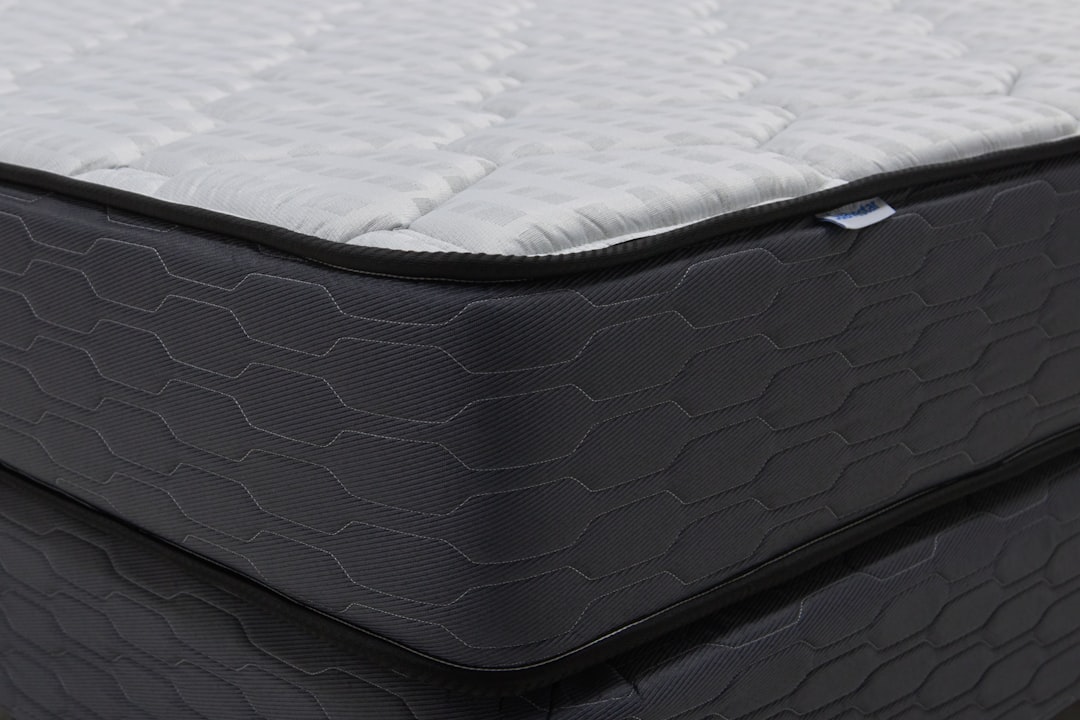
For someone in the critical months after a spinal injury, the mattress isn't just a sleeping surface—it's a therapeutic platform. The structured support an orthopaedic mattress provides is meant to be unwavering; any deviation in its surface contour can subtly undermine recovery progress. That's why monthly checks become a non-negotiable part of the routine, a quiet diligence that runs parallel to physiotherapy sessions.
You start with a baseline. Ideally, you'd have a pressure map or a detailed note from when the mattress was new, documenting its uniform firmness. Over the six to eighteen months of recovery, you're watching for zones that soften or harden unexpectedly. A new dip under the hips or a ridge near the shoulders isn't just wear and tear—it's a change in the support geometry your body has adapted to. Without that monthly assessment, these shifts can creep in unnoticed, until one morning you realise the alignment feels subtly off.
The method is straightforward. Lie in your usual sleeping position and pay attention to the pressure points. Does the lower back feel as uniformly supported as it did last month? Are there spots where you now sink deeper, or areas that feel oddly resistant? Use your hands to press across the surface, comparing the centre to the edges. A pocketed spring system might develop a lone soft spot; a high-density foam core could begin to compact in a specific area. This isn't about dramatic sagging—it's about detecting the minute gradients that matter most when spinal alignment is precarious.
The only exception to this rigid monitoring schedule would be if you're using a mattress with a replaceable comfort layer or a dual-firmness system where the core support remains isolated. Even then, the foundational layer needs the same scrutiny. For most standard orthopaedic constructions, though, that surface is your single point of contact, and its consistency is everything. Letting the checks slide because the mattress "still looks fine" is a gamble with recovery stability—the changes you need to catch aren't visible to the eye, they're felt by the body.
A mattress’s cover tells you what’s happening underneath. The surface pilling on a bamboo or Tencel fabric isn’t just cosmetic – it’s a sign the fibres are weakening from nightly friction. After three or four years, that soft, breathable layer starts to look worn, and that’s when you should pay attention. The pilling itself doesn’t hurt the support, but it often coincides with the core materials ageing.
Singapore’s humidity adds another layer. A spill that seems minor can seep through the cover and linger in the padding below. Without proper drying, that dampness invites mildew, and you might not see it until a faint odour appears. Stains from sweat or oils are more than just marks; they can mask the breakdown of the foam or spring unit they’ve soaked into. That breakdown is the real threat to the orthopaedic support you bought the mattress for.
You can’t stop wear, but you can monitor it. A stain isn’t just a stain – it’s a clue. Look at where the pilling is worst, usually where your body rests most heavily. If the fabric feels thin and the firmness underneath has changed, the mattress’s engineered support is likely compromised. That’s the point where a cover issue becomes a structural one.
There’s a practical exception. If the stain is isolated and the area remains firm, a professional clean might salvage it. But if the odour persists or the surface feels degraded across the whole sleeping zone, that’s your signal. The mattress has done its job, and continuing to use it could undo the pain relief it was designed to provide. For a piece that’s meant to last, its surface is the most honest report card you’ll get.
A mattress is a mattress until you lie on it. The difference between a good orthopaedic support and a disappointing sag is a matter of density and structure—things you can’t judge from a catalogue photo or a salesperson’s description. You’ve got to feel it under your own weight, especially if your back already sends signals after a night on a wrong surface. High-density foam promises firmness, but some cores soften over years until they cradle you like a hammock. Hybrid models with pocketed springs add resilience, but the interplay between foam and coils varies wildly between brands. The only way to know which construction will resist that gradual slump is to test them side-by-side, pressing down with your hands and lying flat for a few minutes. That’s why a showroom visit isn’t a luxury; it’s a necessary step for anyone serious about long-term spinal alignment.
Picture a typical master bedroom in a 4-room BTO, maybe 3.5 by 3 metres. You’ll spend years in that space, and the mattress is the foundation. For stomach sleepers or those with chronic lower back issues, the firmness gradient—how the support transitions from your shoulders to your hips—is critical. A mattress that feels uniformly hard might not accommodate your natural contours, while one that’s too soft at the centre will let your spine dip. In a showroom, you can methodically compare: lie on a pure foam model, then shift to a hybrid. Notice where your body sinks and where it stays supported. Pay attention to the edges too; a mattress that collapses when you sit on the side to put on socks won’t last.
The hands-on test reveals subtleties a spec sheet hides. Press your palm firmly into the centre of a high-density foam sample. Does it rebound quickly, or does your hand leave a lasting impression? That’s a clue about long-term compression resistance. On a hybrid, listen for the coil response—a quiet, individual movement suggests better contouring than a loud, unified bounce. For adult children buying for ageing parents with osteoporosis, this physical check is even more crucial. A mattress that seems supportive in a quick sit-down might feel entirely different after fifteen minutes of lying still, mimicking a full night’s rest. You can’t get that insight online.
Some might argue you can decide based on reviews or a physiotherapist’s general recommendation. That’s a start, but it’s not enough lah. Materials behave differently under different bodies and over time. The showroom lets you apply your own metrics: your own pain points, your own sleeping posture, your own sense of what “firm” truly means. Without that personal calibration, you’re guessing. So make the trip. Compare the cores directly. Your back will thank you for it years later.
" width="100%" height="480">Orthopaedic mattress lifespan: Monitoring wear and tear effectively (metrics)How long before orthopaedic mattress sags? A proper orthopaedic mattress shouldn’t sag prematurely—the high-density foam or firm springs are engineered to resist it. But even the best support layers will compress over years of constant weight. In a typical Queen-size mattress with a 40-plus-year-old owner, you might notice a subtle dip forming after about five to seven years, especially around the hip area where pressure concentrates. That’s not necessarily failure; it’s natural wear. Real sagging, where the surface dips noticeably and support feels uneven, usually signals the core materials are breaking down. If you’re seeing a valley in the middle after only two or three years, that’s a quality issue.
Can topper extend mattress life? A good topper can help, but it’s a protector, not a resurrection tool. Think of it as a sacrificial layer. Adding a quality foam or latex topper spreads pressure more evenly across the mattress surface, reducing the direct impact on the core support layers. It can delay the onset of compression wear. However, if the mattress underneath is already sagging or losing its structural integrity, a topper merely masks the problem—you’ll still feel the lack of proper support through the cushioning. It’s a worthwhile investment from day one, not a last-minute fix.
How to clean mattress with arthritis? For someone with limited mobility or joint pain, the key is to avoid heavy lifting or deep bending. Skip the full mattress flip or hauling it off the bed for a scrub. Instead, use a lightweight handheld vacuum with an upholstery attachment for regular surface dust. For spills or stains, a spray bottle of mild detergent and a microfiber cloth you can use while seated on the edge of the bed works best—just spray, dab, and let it air dry. A waterproof, breathable mattress protector is your best defence; it keeps the mattress clean so you rarely need to clean the mattress itself.
Is flipping necessary for one-sided orthopaedic mattress? No, flipping a one-sided mattress is usually impossible and can damage it. Many modern orthopaedic designs are single-sided, with the support layers and comfort quilting built only on the top surface. Trying to flip it puts you sleeping on the bare, unfinished base. Rotating it head-to-foot every few months, however, is still smart. This spreads wear more evenly, especially if one person sleeps consistently on one side. In a Queen bed shared by two, rotating helps balance the compression from two different body weights.
What are signs of permanent damage? Look for a persistent valley or ridge that doesn’t recover after you’ve rotated the mattress and left it for a day. If you lie down and feel your spine dipping into a hammock shape rather than being supported on a firm plane, the core is compromised. Listen for new, persistent creaks or clicks from spring units that weren’t there before. And pay attention to pain—if your back or joints start aching more in the morning than they did when the mattress was new, that’s the most telling sign. The mattress isn’t doing its job anymore.
You’ve tracked the sag depth and run the edge support tests, but the decision to replace hinges on a single, critical question: is this mattress still serving its purpose? An orthopaedic mattress isn’t just a sleeping surface; it’s a tool for managing chronic pain, and when its performance drops, your recovery suffers. That final verdict comes from a few concrete checks.
Start with the confirmed sag depth. Place a ruler across the mattress and measure the dip at your usual sleeping position. If it’s deeper than 3cm, that’s a clear structural failure—the high-density foam or pocketed springs have lost their fight against gravity. Next, sit on the edge and lean back. Does it hold you firmly, or do you feel a pronounced roll towards the centre? Poor edge support means you can’t use the full surface, which forces your body into compromised positions night after night.
Listen for noise. Any creaking or clicking from the springs isn’t just an annoyance; it’s a sign of internal wear that can disrupt the consistent support your spine needs. Then examine the cover condition. Stains or worn patches might seem cosmetic, but a compromised cover can affect hygiene and, more importantly, indicate underlying material breakdown from moisture or friction.
The rule here is straightforward. If any one of these points fails—a deep sag, collapsing edges, persistent noise, or a damaged cover—it’s time to replace. For someone managing back pain or arthritis, a single failure point can undo all the engineered benefits. You’re not judging a general mattress; you’re evaluating a medical aid. When it stops performing its core function, keeping it becomes a liability to your health. The only scenario where you might delay is if the issue is purely superficial, like a minor stain on a cover that’s otherwise intact and the support metrics are still solid. But that’s rare. Usually, one clear failure means the whole system is compromised.